Helping ambitious leaders design and
build agent native products.
Designed, built or advised at Firstbase, Every Media, LateCheckout Agency, Hintflow, Thepeer & Ripple.


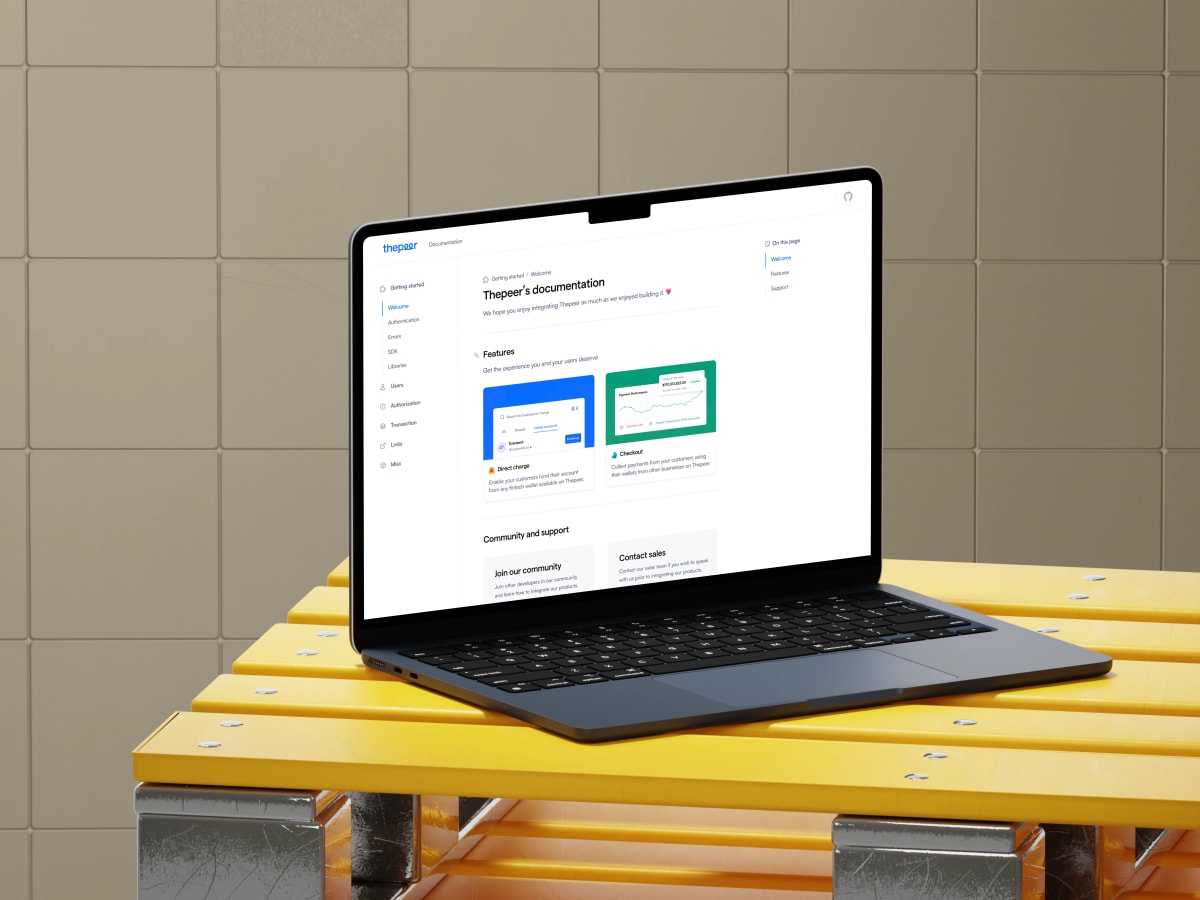
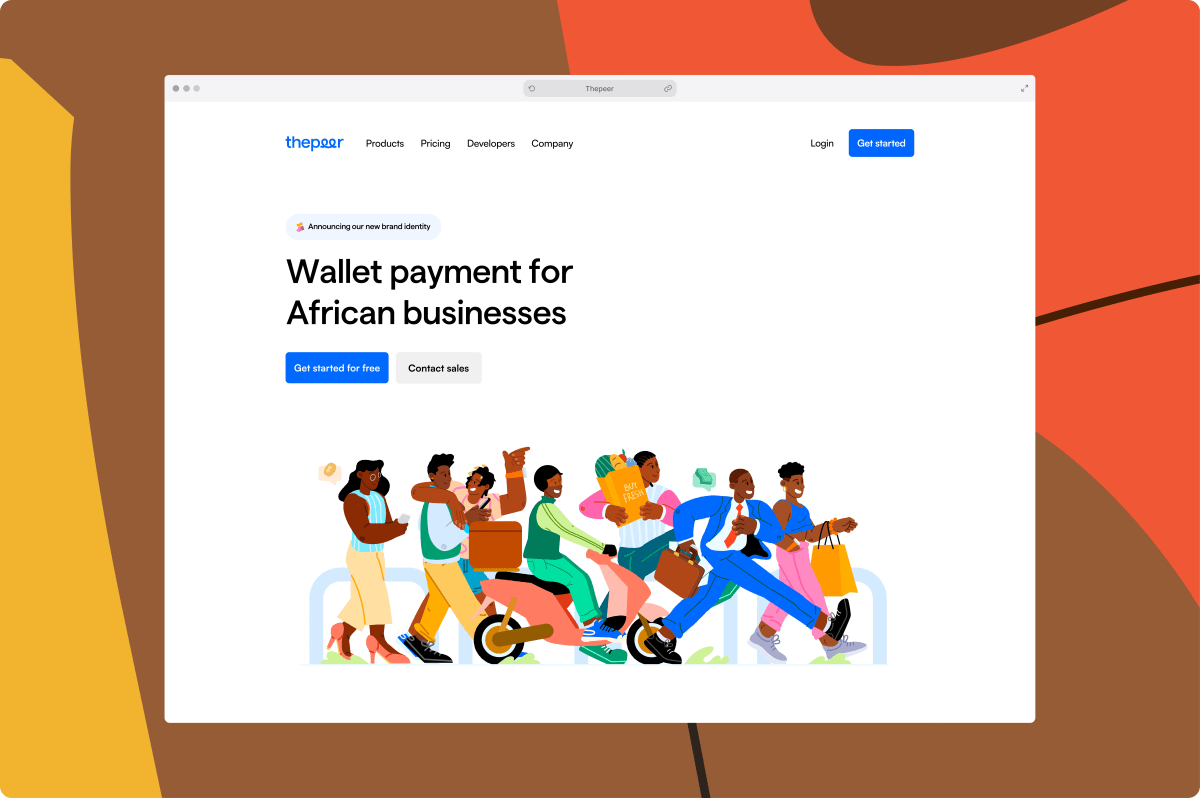
Wallet payment infrastructure for African businesses a way for businesses to easily integrate and support fast, direct, and efficient transactions across businesses.
Project Overview
In 2022, I joined Thepeer’s product team, which had some of the best product managers, engineers, and a strong company culture. We developed an easy-to-integrate infrastructure for businesses seeking faster and more reliable payment experiences for their customers.
Challenges With Prior Payment Channels
Reliability
When interbank settlement providers experienced downtime, it caused significant delays in processing bank transfers, ATM withdrawals, and POS transactions. In some cases, transactions took several days to complete, or manual reversals were required following customer complaints.
Fragmentation
With more fintechs emerging in the market, there was still no direct way to send money directly from one fintech wallet to another.
Cost
There were multiple transactions and processes required to send money from one wallet to another, with each transaction having its own fee.
Make it all faster
An easier, faster and secure way to pay online.
Key Problems Reframed
How do we ensure transactions are successful irrespective of inter-bank downtime?
How do we simplify payment for customers?
How do we ensure businesses are not losing revenue to interchange fees?
Solution
The goal was to simplify the experience without compromising security. After multiple user flow iterations, I arrived at three simple steps for a user to complete a transaction. Previously, businesses relied on email and phone OTPs to approve transactions, but I designed an in-app approval process, which required customers to log into their bank or fintech app to authorize a transaction.
Things that stopped being great and why
Speed of approval
We were reliant on an external provider for our business’s go-live process. It took an average of 3 weeks to get a decision on a business’ go-live request after documents were submitted each document needed to be reviewed and verified by their compliance team, and if there were any issues the average time rose as high as 6 weeks.
Error messaging
When a business go-live request is rejected, the reasons given to us were usually generic and had to be manually resolved after escalating with relevant teams, which in turn increased time taken for businesses to get activated. We also were not always informed when business requirements were updated.
Key Problems Reframed
Adopting the framework “How Might We”, I was able to positively reframe pain points and identify opportunities using insight gathered from research.
How might we automate the onboarding process?
How might we reduce dependency?
How might we improve the experience?
Solution New Onboarding Flow
Previously, information on the document page was scanty, so we wanted to improve this, as data from research showed documents were often mixed up. To solve for this, we wrote better copy and provided sample images of the file required of them.
Document upload sample preview
One of the issues we previously experienced was having the wrong documents uploaded, and we solved this by providing a preview of each document requested. This change reduced the number of wrong uploads by more than 90%.
Acknowledgements
Built with the product managers and engineers at Thepeer a team that made the work better at every turn. Brand design by Geneza.